Your Guide to Student Accommodation in the UK
Everything you need to know about finding and living in student housing.
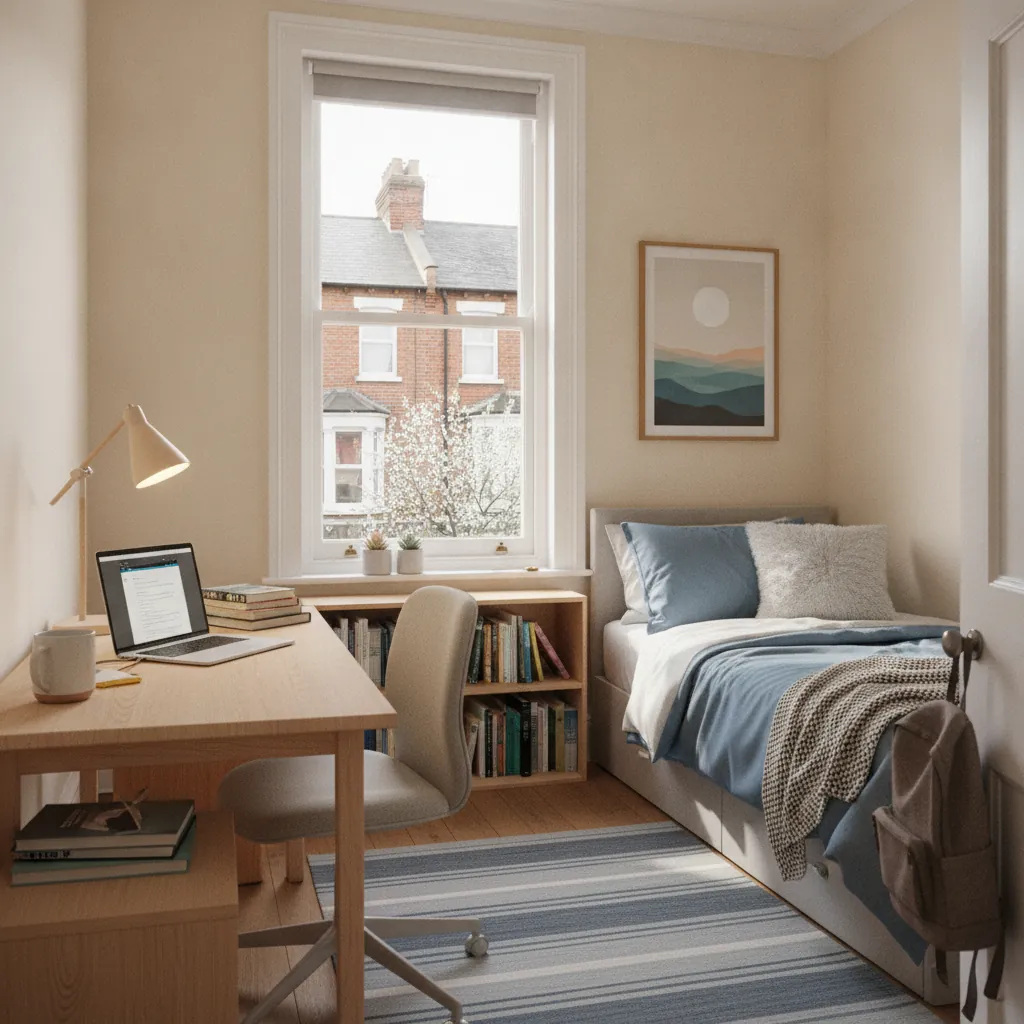
Getting Started with Your Property Search
Searching for student accommodation can feel overwhelming, especially if it's your first time renting. Most students begin looking three to six months before their course starts, though competition peaks in spring for September entries. University accommodation offices often list vetted properties, and many institutions guarantee first-year students a room in halls of residence.
Private rentals offer more independence but require careful vetting. Popular areas near universities in cities like Manchester, Leeds, and Bristol fill quickly, so starting early gives you better choice. When viewing properties, check the condition of appliances, heating systems, and windows. Ask about internet speeds, as reliable broadband is essential for coursework. Take photos during viewings to compare options later.
Sharing with other students reduces costs significantly. A room in a shared house typically ranges from £350 to £650 per month depending on location, while studio flats can exceed £900 in expensive cities. Consider proximity to campus, public transport links, and local amenities like supermarkets and libraries when making your decision.
Understanding Tenancy Agreements
Before signing anything, read your tenancy agreement thoroughly. Most student contracts run for fixed terms of either 44 weeks (academic year) or 52 weeks (full year). Break clauses are rare, so you're typically committed for the entire period. Ensure you understand who is responsible for utilities, council tax exemptions, and maintenance issues.
Joint tenancies mean all housemates share responsibility for the full rent. If one person leaves, the others must cover their share unless you find a replacement the landlord approves. Individual tenancies, common in purpose-built student accommodation, mean you're only liable for your own room. Guarantor requirements are standard – usually a UK resident who agrees to cover rent if you cannot pay.
- Check deposit protection scheme registration within 30 days
- Confirm what furnishings and appliances are included
- Clarify notice periods for ending the tenancy
- Understand maintenance and repair responsibilities
- Get confirmation of council tax exemption status
Budgeting for Living Costs
Rent is your largest expense, but other costs add up quickly. Utilities including gas, electricity, water, and internet typically cost £40 to £80 per person monthly in shared houses. Some landlords include bills in the rent, which simplifies budgeting but may cost slightly more overall. Council tax doesn't apply to full-time students, but you must provide your university with a certificate to give your landlord.
Set aside funds for the initial deposit, usually equivalent to five weeks' rent, plus the first month's rent in advance. You'll need contents insurance for your belongings, as landlord policies only cover the building structure. Budget around £50-£100 annually for basic coverage. Food shopping costs vary widely based on habits, but £30-£50 weekly is realistic for cooking at home.
Knowing Your Rights as a Tenant
UK law protects tenants through various regulations. Your landlord must provide a safe, habitable property meeting health and safety standards. This includes working smoke alarms, gas safety certificates renewed annually, and electrical installation checks every five years. You have the right to live without harassment or illegal eviction – landlords cannot enter without giving at least 24 hours' notice except in genuine emergencies.
Deposits must be protected in a government-approved scheme, and you should receive prescribed information about the scheme within 30 days. At the end of your tenancy, deductions can only be made for damage beyond normal wear and tear, unpaid rent, or cleaning costs if the property is left unreasonably dirty. Always document the property's condition with dated photos when you move in and out.
If repairs are needed, report them in writing immediately. Landlords must address urgent issues like heating failures or water leaks promptly. For non-urgent repairs, they have a reasonable timeframe, typically 14-28 days. If your landlord fails to act, local council environmental health departments can intervene for serious problems affecting health or safety.
Preparing for Move-In Day
Before collecting keys, complete a thorough inventory check with your landlord or letting agent. Note every mark, stain, or defect in writing and take photographs. This protects your deposit when you eventually move out. Check that all appliances work, taps don't leak, and doors and windows lock properly. Test the heating system even if you're moving in during summer.
Set up utility accounts in your name or ensure existing arrangements are clear if bills are included. Register with a local GP surgery early, as some practices have waiting lists. Inform your bank, mobile provider, and university of your new address. If you're sharing with others, establish ground rules about cleaning rotas, shared food policies, and overnight guests from the start to avoid conflicts later.
- Register for council tax exemption with your local council
- Arrange contents insurance before moving belongings in
- Photograph meter readings on your move-in date
- Save emergency contact numbers for landlord and utilities
- Keep copies of all signed documents in a safe place
Managing Common Issues
Living with housemates requires communication and compromise. Financial disagreements often arise when shared bills arrive – setting up a joint account for household expenses or using bill-splitting apps helps keep things transparent. Address problems early before they escalate; a quick conversation about noise levels or washing-up duties prevents long-term resentment.
Mould and damp are frequent complaints in student housing, particularly in older properties. Ventilate rooms regularly by opening windows, use extractor fans when cooking or showering, and avoid drying clothes on radiators. If mould persists despite your efforts, it may indicate structural issues the landlord must address. Document the problem with photos and report it formally in writing.
Security matters too. Ensure everyone has their own key and never leave doors or ground-floor windows unlocked when the house is empty. Mark valuable items like laptops with security pens. If you experience antisocial behaviour from neighbours, keep a log of incidents with dates and times before contacting your landlord or local council for assistance.
Contact
- Stulee Student Resources, 42 Park Street, Bristol, BS1 5JG
- 0117 496 8234
- [email protected]